
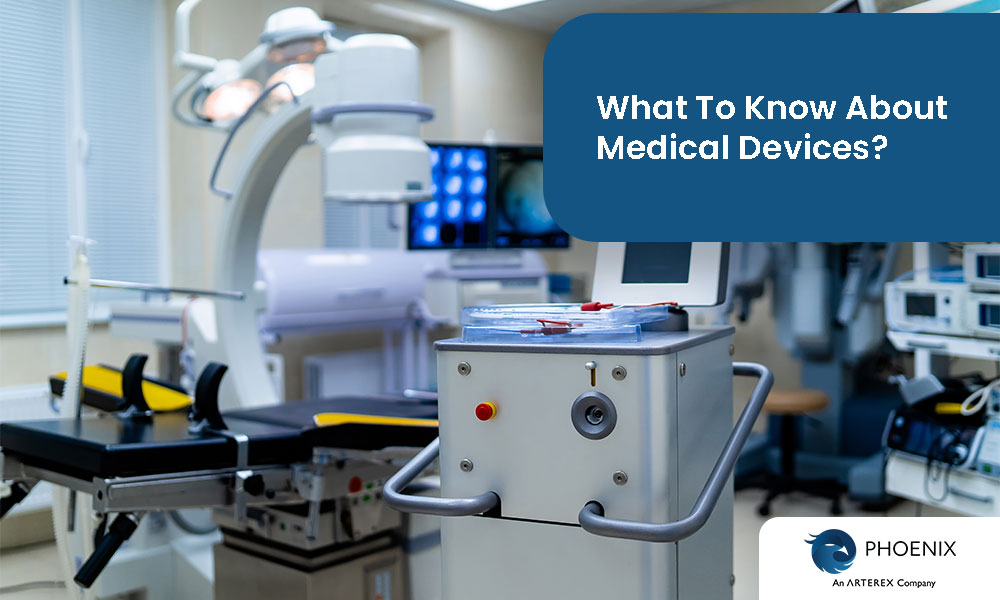
Medical devices represent one of healthcare’s most essential and rapidly advancing frontiers, encompassing everything from simple bandages to sophisticated robotic surgical systems. These instruments, apparatuses, and implants work through physical, mechanical, or electrical means to diagnose, treat, monitor, and prevent disease—fundamentally different from pharmaceuticals that rely on chemical interactions within the body.
The global medical device market reached $678.88 billion in 2025 and is projected to grow to $1,209.42 billion by 2035, reflecting these technologies’ expanding role in modern healthcare. With over 2 million devices available worldwide spanning more than 7,000 generic categories, medical devices have contributed to dramatic improvements in patient outcomes, including a nearly 90% reduction in heart attack mortality since 1970.
Regulatory agencies classify devices into risk-based categories, with stricter oversight required for higher-risk products that sustain life or present significant safety concerns. The industry supports 2 million jobs globally while driving innovations in artificial intelligence, miniaturization, connectivity, and personalized medicine that are reshaping how care is delivered.
From enabling early disease detection and minimally invasive procedures to expanding home-based healthcare and addressing global health challenges, medical devices form the backbone of contemporary medicine. As technology continues advancing through AI-powered diagnostics, biodegradable implants, and connected monitoring systems, these tools promise to further transform healthcare delivery, making treatment more precise, accessible, and personalized than ever before.
What is a Medical Device?
A medical device is any instrument, apparatus, machine, software, implant, or material used to diagnose, prevent, monitor, treat, or alleviate disease and injury in humans. These devices range from simple tongue depressors to complex robotic surgical systems, all designed to support healthcare delivery without achieving their primary intended action through chemical means like pharmaceuticals do.
Medical devices work through physical, mechanical, thermal, or electrical means rather than metabolic or immunological reactions. The U.S. Food and Drug Administration (FDA) classifies medical devices into three categories based on risk level—Class I (low risk), Class II (moderate risk), and Class III (high risk)—with each classification requiring different levels of regulatory control and clinical evidence before market approval.
Unlike medications that work through chemical interactions within the body, medical devices achieve their intended purpose through direct physical intervention, measurement, or support of bodily functions. This fundamental distinction shapes how regulators evaluate safety, how manufacturers design products, and how healthcare providers integrate these tools into patient care protocols.
Examples of Medical Devices
Consumables and single-use medical devices are designed for one-time use to ensure sterility and prevent cross-contamination. Items such as syringes, surgical gloves, catheters, wound dressings, IV tubing, and disposable scalpels support safe medication delivery, patient protection, and precise procedures. By eliminating the need for re-sterilization, these devices reduce infection risk and ensure consistent performance across daily medical care worldwide.
Diagnostic Devices detect and measure health conditions. MRI machines create detailed internal images, blood glucose meters help diabetics monitor sugar levels, digital thermometers measure body temperature, pulse oximeters track blood oxygen, and pregnancy tests detect hormones to confirm pregnancy.
Therapeutic Devices deliver treatment directly to patients. Insulin pumps provide controlled medication doses, CPAP machines support breathing during sleep, nebulizers deliver inhaled medication, pacemakers regulate heart rhythm, and dialysis machines filter blood for kidney failure patients.
Surgical Instruments enable medical procedures. Scalpels make precise incisions, staplers close wounds, laparoscopic cameras support minimally invasive surgery, electrocautery devices control bleeding, and robotic systems enhance surgical precision.
Implantable Devices are placed inside the body to restore function. Artificial hips replace damaged joints, cochlear implants restore hearing, intraocular lenses treat cataracts, coronary stents improve blood flow, and IUDs provide long-term birth control.
Monitoring Devices track vital signs over time. Fitness trackers monitor activity and heart rate, continuous glucose monitors track blood sugar, Holter monitors record heart rhythms, fetal monitors track baby heartbeats, and home blood pressure cuffs support ongoing care.
Assistive Devices help people maintain independence. Hearing aids improve hearing, wheelchairs provide mobility, prosthetics replace missing limbs, canes offer stability, and eyeglasses correct vision.
Life Support Equipment sustains vital functions. Ventilators assist breathing, defibrillators restore heart rhythm, and infusion pumps deliver fluids and medications at controlled rates.
Why Are Medical Devices Important in Healthcare?
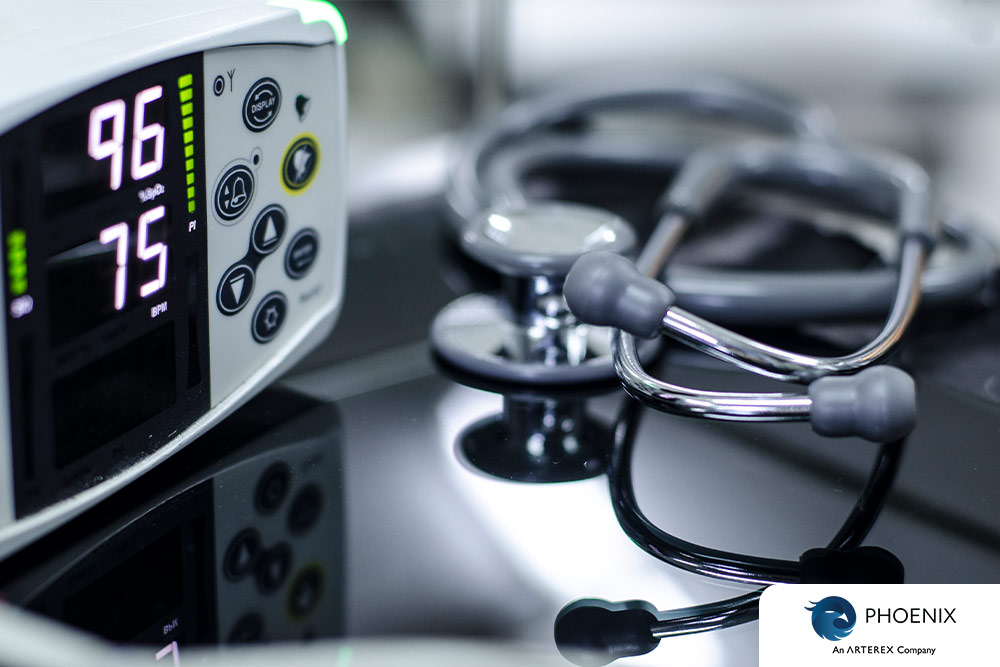
Medical devices form the backbone of modern healthcare delivery, representing a $678.88 billion global market in 2025 that’s projected to reach $1,209.42 billion by 2035, with profound impacts on patient outcomes, healthcare accessibility, and medical innovation worldwide.
Enabling Early Detection and Accurate Diagnosis
Medical devices revolutionize disease detection by allowing physicians to identify health problems before they become life-threatening emergencies. Over 1.5 million procedures were performed globally using robotic platforms like the da Vinci system in 2023. MRI machines detect tumors smaller than a centimeter, echocardiograms reveal heart valve problems before patients experience symptoms, and continuous glucose monitors alert diabetics to dangerous blood sugar levels hours before traditional testing would catch them.
Reducing Mortality from Major Diseases
Cardiovascular devices alone have contributed to dramatic declines in heart disease deaths, with heart attack mortality dropping nearly 90% since 1970 thanks to interventions including portable defibrillators, cardiac imaging, bypass surgery, and balloon angioplasty. Approximately 47% of the decrease in coronary heart disease deaths between 1980 and 2000 was attributed to medical treatments and device-enabled therapies. Cardiovascular disease accounts for 17.9 million deaths annually worldwide, making devices like pacemakers, stents, and blood pressure monitors essential tools for managing this leading cause of global mortality.
Supporting Minimally Invasive and Outpatient Care
Minimally invasive surgery devices are experiencing rapid expansion with a projected growth rate of 14.3% from 2025 to 2033. Around 83% of procedures performed in the U.S. in 2023 were minimally invasive, with 72% of elective surgeries now conducted in outpatient facilities. Arthroscopic instruments allow orthopedic surgeons to repair joints through incisions smaller than a dime, while laparoscopic cameras enable abdominal surgeries through tiny ports instead of large incisions, reducing patient trauma and accelerating healing.
Driving Economic Growth and Employment
The medical device industry supports 2 million jobs globally, with the United States employing more than 300,000 professionals in research, manufacturing, and distribution. The industry directly accounts for nearly 519,000 U.S. jobs with a total economic output of $381 billion annually. Every $1 billion in advanced medical technology revenue generates an additional $1.69 billion in national economic output, almost 13,000 jobs, and $778 million in personal income.
Expanding Access to Home-Based Healthcare
Medical devices democratize healthcare by moving treatment from hospitals into homes. The global wearable medical devices market recorded revenue of $42.8 billion in 2024 and is projected to reach approximately $421.5 billion by 2034, growing at 25.7% annually. Home blood pressure monitors let hypertensive patients track their readings daily, portable oxygen concentrators provide respiratory support without confinement, and continuous glucose monitoring systems enable real-time transmission of patient data to clinician dashboards.
Addressing Global Health Challenges
The World Health Organization estimates there are around 2 million medical devices available globally, categorized into more than 7,000 generic device groups. Medical devices prove particularly crucial in resource-limited settings—portable ultrasound devices bring prenatal imaging to remote villages, rapid diagnostic tests detect malaria and tuberculosis in clinics without laboratory facilities, and solar-powered vaccine refrigerators maintain cold chains in areas without reliable electricity. Between 2022 and 2024, the FDA approved 17 AI- and machine-learning-enabled wearable medical devices, demonstrating how technological integration expands diagnostic capabilities worldwide.
What Are Types of Medical Devices?
Medical devices span a vast spectrum of technologies and applications, classified by regulatory agencies based on risk level, intended use, and complexity, with each category serving distinct roles in diagnosing, treating, monitoring, and preventing disease across healthcare settings from emergency rooms to home care environments.
Classification by Regulatory Risk Level
Class I devices:
Class I devices pose minimal risk to patients and typically require only general regulatory controls without premarket approval, representing the simplest and safest category of medical equipment. Bandages provide wound protection through basic barrier function, tongue depressors enable throat examinations without entering body cavities, and elastic bandages offer compression support for sprains. Surgical gloves create sterile barriers between healthcare providers and patients, examination gloves prevent cross-contamination during routine checkups, and handheld surgical instruments like scissors and forceps perform basic cutting and grasping functions with minimal risk of harm even if they malfunction.
Class II devices:
Class II devices carry moderate risk and require special regulatory controls including performance standards, post-market surveillance, and often premarket notification to demonstrate safety and effectiveness before commercial distribution. Powered wheelchairs restore mobility through electric motors and control systems, infusion pumps deliver medications at precise rates into bloodstreams, and pregnancy tests detect hormone levels to confirm conception. Surgical drapes maintain sterile fields during operations, acupuncture needles provide therapeutic stimulation through skin penetration, and blood pressure cuffs measure cardiovascular function through automated inflation and pressure sensing technology.
Class III devices:
Class III devices support or sustain human life, are substantially important in preventing health impairment, or present potential unreasonable risk of illness or injury, requiring premarket approval with extensive clinical testing demonstrating safety and efficacy. Heart valves replace damaged cardiac structures to maintain proper blood flow direction, implantable cardioverter defibrillators monitor heart rhythm and deliver corrective shocks when dangerous arrhythmias occur, and breast implants reconstruct or augment tissue through surgical placement of silicone or saline devices. Coronary stents prop open blocked arteries to restore blood circulation, absorbable sutures close surgical wounds while gradually dissolving as tissue heals, and HIV diagnostic tests detect viral antibodies or antigens to confirm infection status.
Classification by Primary Function
Diagnostic Devices:
Diagnostic Devices identify diseases, conditions, or physiological states through measurement, imaging, or detection of biological markers without providing direct treatment. X-ray machines create images of bones and dense tissues using electromagnetic radiation, CT scanners combine multiple X-ray images to generate detailed cross-sectional views of internal structures, and ultrasound machines use high-frequency sound waves to visualize soft tissues and developing fetuses. Blood gas analyzers measure oxygen and carbon dioxide levels in arterial blood to assess respiratory function, electrocardiogram machines record electrical heart activity to detect rhythm abnormalities, and rapid antigen tests identify viral proteins within minutes to diagnose infections at point of care.
Therapeutic Devices:
Therapeutic Devices deliver treatment directly to patients by applying energy, administering substances, or physically altering body structures to cure disease or alleviate symptoms. Radiation therapy machines target cancer cells with precisely focused high-energy beams while minimizing damage to surrounding healthy tissue, insulin pens inject precise medication doses subcutaneously to manage diabetes, and hearing aids amplify environmental sounds to compensate for hearing loss. TENS units deliver small electrical currents through skin to reduce pain perception, compression stockings apply graduated pressure to legs to prevent blood clots, and phototherapy lamps emit specific light wavelengths to treat skin conditions like psoriasis and neonatal jaundice.
Monitoring Devices:
Monitoring Devices track physiological parameters continuously or periodically to detect changes in patient condition, enabling timely interventions and treatment adjustments. Pulse oximeters measure blood oxygen saturation and heart rate through light absorption in fingertip capillaries, continuous glucose monitors track interstitial fluid glucose levels every few minutes throughout day and night, and fetal monitors simultaneously record baby heartbeat and maternal uterine contractions during labor. Holter monitors record heart electrical activity over 24-48 hours to capture intermittent arrhythmias, sleep apnea monitors detect breathing pauses and oxygen desaturation during overnight sleep studies, and smart scales track weight, body composition, and fluid retention trends for heart failure patients managing their condition at home.
Surgical Devices:
Surgical Devices enable healthcare providers to perform operative procedures through cutting, grasping, suturing, ablating, or otherwise manipulating body tissues with precision and control. Electrosurgical units cut tissue and coagulate blood vessels simultaneously using high-frequency electrical current, surgical staplers close incisions and join tissues faster than traditional sutures while maintaining consistent tension, and arthroscopic instruments visualize and repair joint structures through small incisions using miniature cameras and specialized tools. Cryotherapy probes freeze abnormal tissues to destroy precancerous cervical cells, laser surgical systems vaporize tissue with concentrated light energy for precise removal with minimal bleeding, and bone saws cut through hard skeletal structures during joint replacement and reconstructive orthopedic procedures.
Implantable Devices:
Implantable Devices remain inside the body for extended periods or permanently to replace damaged structures, deliver ongoing therapy, or restore lost function. Hip and knee replacements substitute artificial joints for deteriorated cartilage and bone to restore pain-free mobility, cochlear implants bypass damaged inner ear structures by directly stimulating auditory nerves with electrical signals, and spinal cord stimulators deliver mild electrical pulses to mask chronic pain signals traveling to the brain. Drug-eluting stents slowly release medication to prevent arterial re-narrowing after angioplasty, neurostimulators regulate abnormal brain activity to control epileptic seizures, and intraocular lenses permanently replace clouded natural lenses removed during cataract surgery to restore clear vision.
Advanced Materials in Implantable Devices:
Modern implantable devices increasingly utilize high-performance materials like polyetheretherketone (PEEK), a biocompatible thermoplastic polymer that offers exceptional strength, chemical resistance, and radiolucency for medical applications. PEEK has become particularly valuable in spinal implants, orthopedic components, and dental devices due to its bone-like elasticity that reduces stress shielding and promotes better integration with natural tissue. The material’s compatibility with advanced manufacturing techniques like injection molding enables the production of complex geometries with precise tolerances, making it ideal for customized implantable components that must meet exacting performance standards. PEEK’s ability to withstand sterilization processes while maintaining structural integrity and its MRI compatibility further enhance its utility across a growing range of implantable medical applications.
Life Support Devices:
Life Support Devices sustain critical bodily functions when organs temporarily or permanently cannot maintain adequate physiological processes independently. Mechanical ventilators breathe for patients by delivering controlled volumes of oxygen-enriched air into lungs at prescribed rates and pressures, dialysis machines filter waste products and excess fluid from blood when kidneys fail, and extracorporeal membrane oxygenation (ECMO) systems oxygenate blood outside the body when both heart and lungs cannot function adequately. Intra-aortic balloon pumps assist failing hearts by improving coronary blood flow and reducing cardiac workload, feeding tubes deliver nutrition directly into stomachs or intestines when patients cannot swallow safely, and suction machines remove secretions from airways to prevent aspiration and maintain breathing passages.
Assistive and Rehabilitation Devices:
Assistive and Rehabilitation Devices help people with disabilities, injuries, or age-related limitations perform daily activities, maintain independence, and participate more fully in social and occupational environments. Prosthetic limbs replace missing arms or legs with functional artificial alternatives controlled through remaining muscle movements or nerve signals, orthotics provide external support to weak or deformed body parts to improve alignment and function, and mobility aids like canes, walkers, and crutches offer stability and weight distribution support. Augmentative communication devices enable people with speech impairments to express themselves through text-to-speech technology or symbol boards, standing frames position wheelchair users upright to improve bone density and circulation, and adaptive eating utensils with built-up handles and angled heads help individuals with limited hand function feed themselves independently.
How Medical Devices Work?
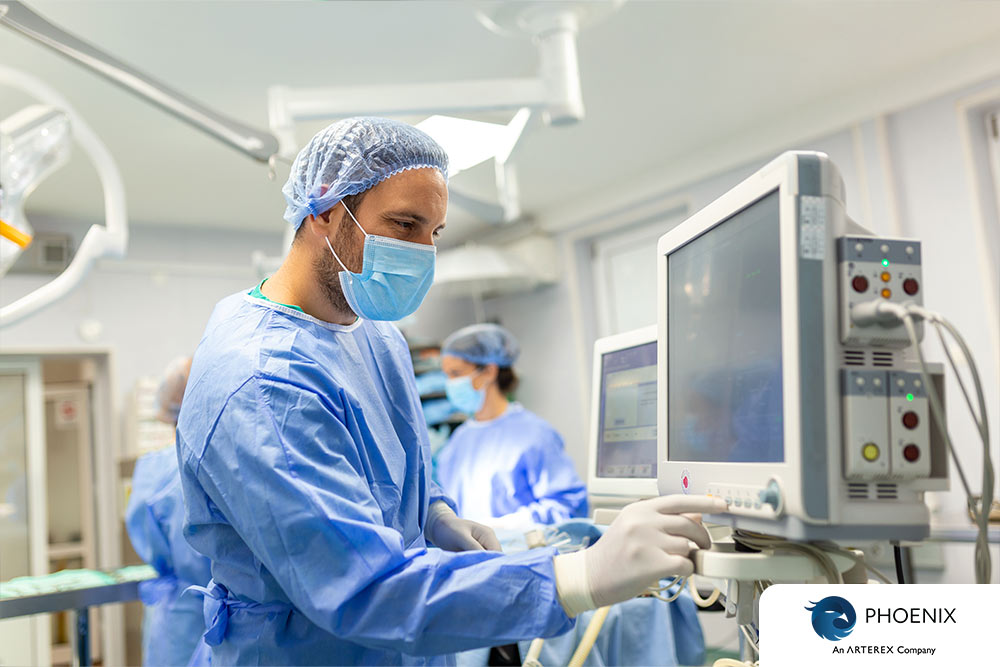
Medical devices play a critical role in modern healthcare. They are designed to detect, measure, support, or treat medical conditions with accuracy and safety. While devices vary in size and complexity, most follow the same functional principles to deliver reliable clinical results.
Core Principles Behind Medical Device Functionality
Medical devices interact with the human body in controlled and intentional ways. Some devices operate externally, some make contact with the skin, and others are implanted to support or regulate internal biological processes.
Sensors form the foundation of many medical devices. They collect physiological data such as heart rate, blood pressure, oxygen levels, or glucose readings. These sensors convert physical or chemical signals into usable medical information.
Embedded software processes this data. It analyzes incoming signals, filters errors, and converts raw measurements into readable values, visual displays, alerts, or automated responses.
Every medical device requires a power source. Devices may run on batteries, electrical systems, mechanical energy, or human motion, depending on their intended use and environment.
How Different Types of Medical Devices Operate?
Medical devices function in various ways depending on their purpose, design, and role in patient care.
Diagnostic Devices
Diagnostic devices are used to identify medical conditions. Imaging systems such as MRI, X-ray, and ultrasound machines generate detailed internal images, while diagnostic monitors analyze body signals to support accurate diagnoses.
Therapeutic Devices
Therapeutic devices deliver treatment directly to the patient. Infusion pumps control medication delivery, ventilators assist breathing, and dialysis machines filter waste from the blood.
Monitoring Devices
Monitoring devices observe patient health over time. Blood pressure monitors, cardiac monitors, and wearable medical devices track vital signs continuously and help detect changes early.
Implantable Devices
Implantable devices support or replace natural body functions. Pacemakers regulate heart rhythm, joint implants restore movement, and stents maintain open blood vessels.
Control, Accuracy, and Patient Safety
Medical devices rely on control systems to ensure consistent performance. Timers, feedback loops, and internal controls regulate how devices function during use.
Calibration is essential for accuracy. Regular calibration and testing ensure that measurements remain precise and dependable throughout the device’s lifespan.
Safety mechanisms are built into every approved medical device. Alarms, error-detection systems, and automatic shutdown features help prevent patient harm and reduce the risk of device failure.
Human Interaction with Medical Devices
Healthcare professionals operate medical devices following established clinical guidelines. Proper training ensures correct setup, safe usage, and accurate interpretation of results.
User interfaces are designed for clarity. Screens, indicators, and alerts present essential information in a clear and accessible way, supporting fast and informed decision-making in clinical settings.
Medical Device Classification and Risk Levels
Medical devices are organized into different classes based on how much risk they pose to patients. Regulatory agencies worldwide use classification systems to determine what safety requirements manufacturers must meet before selling their products.
The classification system works on a simple principle: the higher the potential risk to a patient, the stricter the regulatory controls. Low-risk devices face minimal oversight, while high-risk devices undergo rigorous testing and approval processes before reaching the market.
FDA Classification System (United States)
The U.S. Food and Drug Administration divides medical devices into three main classes:
Class I devices carry the lowest risk and include items like bandages, handheld surgical instruments, and non-electric wheelchairs. These products typically require only general controls such as proper labeling and manufacturing standards, and most are exempt from premarket notification.
Class II devices present moderate risk and require special controls beyond basic manufacturing standards. This category includes powered wheelchairs, infusion pumps, surgical drapes, and pregnancy test kits. Manufacturers must submit a 510(k) premarket notification demonstrating their device is substantially equivalent to an already-marketed device.
Class III devices pose the highest risk because they support or sustain human life, prevent serious health impairment, or present potential unreasonable risk of illness or injury. Heart valves, pacemakers, breast implants, and implantable cerebellar stimulators fall into this category. These devices require premarket approval (PMA), the most stringent type of review, which demands extensive clinical trial data proving safety and effectiveness.
European Classification System
The European Union uses four risk classes under the Medical Device Regulation (MDR):
Class I devices present minimal risk and include items like reading glasses, bandages, and examination gloves. Manufacturers can self-certify these products without involving a notified body for most cases.
Class IIa devices carry low to medium risk, such as contact lenses, hearing aids, and dental fillings. These require assessment by an authorized notified body and must meet more stringent safety requirements.
Class IIb devices involve medium to high risk, including surgical lasers, ventilators, and bone fixation plates. Manufacturers must provide comprehensive technical documentation and undergo rigorous conformity assessment procedures.
Class III devices protect or sustain life and include heart valves, implantable defibrillators, and drug-eluting stents. These face the most demanding scrutiny, requiring full quality system assessment and design examination by notified bodies.
Regulators consider several factors when classifying devices: duration of body contact (temporary, short-term, or long-term), degree of invasiveness (non-invasive, invasive, or implantable), whether the device is active or passive, and which body system it affects. A surgical scalpel touches tissue briefly and falls into a lower class, while a coronary stent remains in the body permanently and receives a higher classification.
Regulation and Approval of Medical Devices

Medical devices must navigate complex regulatory pathways ensuring patient safety and product effectiveness before reaching the market. Countries maintain their own frameworks, though many share similar principles and increasingly work toward harmonization.
The FDA Approval Process (United States)
The Food and Drug Administration uses a risk-based system matching oversight intensity to potential patient harm.
510(k) Premarket Notification is the most common pathway for Class II devices, requiring manufacturers to demonstrate substantial equivalence to a legally marketed predicate device. The FDA reviews submissions within 90 days typically, and this pathway doesn’t require clinical trials if equivalence is established through bench testing.
Premarket Approval (PMA) applies to Class III devices and demands rigorous scientific evidence including design specifications, manufacturing processes, laboratory tests, and clinical trial outcomes proving safety and effectiveness. Reviews take 180 days, but the entire process typically spans several years and costs millions.
De Novo Classification provides a pathway for novel low-to-moderate risk devices with no predicate, allowing manufacturers to establish new classifications for unprecedented devices.
European Regulatory Framework
The EU implemented the Medical Device Regulation (MDR) in 2021 with stricter requirements emphasizing clinical evidence and post-market surveillance.
CE Marking indicates a device meets EU safety requirements, allowing sales across all member states. Manufacturers work with notified bodies for Class IIa, IIb, and III devices, while Class I manufacturers can self-certify but must maintain technical documentation and quality management systems.
Clinical Evaluation under MDR requires robust clinical evidence throughout a device’s lifecycle, not just at initial approval, with mandatory post-market clinical follow-up studies for higher-risk devices.
Other Major Regulatory Bodies
Health Canada uses a four-class system similar to the FDA’s, often accepting FDA approvals or CE marks as supporting evidence.
Japan’s PMDA requires clinical data generated specifically in Japanese populations for many products, particularly implantables.
China’s NMPA often demands local clinical trials even for devices approved elsewhere, requiring considerable time and investment.
Australia’s TGA accepts evidence from comparable overseas regulators, making it relatively accessible for devices already approved in the US or Europe.
Quality Management Systems
ISO 13485 serves as the international standard for medical device quality management, covering design controls, supplier management, production processes, and corrective actions. Most regulatory bodies recognize ISO 13485 certification as evidence of manufacturing competence.
Good Manufacturing Practices (GMP) ensure devices are consistently produced according to validated processes, with requirements for regular audits, employee training, and documented procedures.
Clinical Trial Requirements
Investigational Device Exemption (IDE) in the US allows clinical studies before full approval. Significant risk devices require FDA approval before trials begin, while non-significant risk devices need only institutional review board approval.
Clinical Investigation in Europe requires approval from ethics committees and competent authorities in each trial country, with the MDR introducing stricter oversight and more detailed protocols.
Post-Market Requirements
Adverse Event Reporting requires manufacturers to inform regulators about device malfunctions, serious injuries, or deaths, helping identify safety patterns that might require recalls.
Post-Market Surveillance includes complaint handling, trend analysis, and field corrective actions, with Europe’s MDR requiring detailed surveillance plans.
Recalls are classified by severity—Class I recalls involve potential serious injury or death, Class II involves temporary health problems, and Class III addresses violations unlikely to cause health consequences.
Global Harmonization
The International Medical Device Regulators Forum (IMDRF) harmonizes regulatory requirements across countries, reducing duplicative testing and accelerating patient access. Unique Device Identification (UDI) systems are being implemented worldwide, assigning each device a unique code for better supply chain tracking and post-market surveillance.
Navigating medical device regulation requires strategic planning, substantial resources, and deep regulatory expertise—ensuring only safe and effective devices reach patients who depend on them.
Innovations and Future Trends in Medical Devices
The medical device industry is rapidly evolving through AI, miniaturization, connectivity, and personalized medicine, transforming healthcare delivery.
Artificial Intelligence powers devices that detect diseases from medical images as accurately as specialists, predict patient deterioration before symptoms appear, and automatically adjust treatments like insulin delivery based on real-time data.
Miniaturization has produced rice-grain-sized implants that monitor glucose and heart pressure for years, biodegradable stents and pacemakers that dissolve after healing, and nanorobots being developed to target cancer cells directly.
Connected Health enables continuous remote monitoring through the Internet of Medical Things—heart failure patients use connected scales that alert doctors to dangerous changes, digital stethoscopes transmit sounds to remote specialists instantly, and devices from different manufacturers now communicate seamlessly.
Personalized Medicine tailors treatment to individual patients through precision oncology devices that analyze tumor DNA, 3D-printed implants matching unique anatomy, and mind-controlled prosthetics that detect electrical signals from remaining muscles.
Robotics and Automation deliver millimeter-sized surgical incisions with superhuman precision, provide thousands of consistent therapy repetitions for stroke recovery, and screen for diseases like diabetic retinopathy in primary care.
Digital Therapeutics include FDA-authorized apps that treat insomnia and substance use disorders, VR systems that reduce pain by distracting neural pathways, and gamified physical therapy that improves patient adherence.
Advanced Sensors in smartwatches detect irregular heart rhythms before strokes, breathalyzers identify lung cancer years before imaging, and liquid biopsy devices find cancer DNA in blood before symptoms appear.
The future belongs to ecosystems where AI, sensors, connectivity, and robotics prevent disease, personalize treatment, and restore function—fundamentally changing healthcare worldwide.
- What To Know About Medical Devices?
- What is Medical Device?
- Why Are Medical Devices Important in Healthcare?
- What Are Types of Medical Devices?
- How Medical Devices Work?
- How Different Types of Medical Devices Operate?
- Medical Device Classification and Risk Levels
- Regulation and Approval of Medical Devices
- Innovations and Future Trends in Medical Devices