
Medical device design and development is one of the most consequential disciplines in modern healthcare. Every catheter, diagnostic tool, or surgical instrument that reaches a patient’s bedside started as a concept that had to survive a rigorous, highly regulated journey from idea to market. That journey is what this article covers in full.
Medical device design focuses on defining what a device should do, who will use it, and how it must perform in clinical conditions. Development takes those definitions and turns them into a tested, manufacturable, market-ready product. Together, they form a structured process that directly determines whether a device is safe, effective, and commercially viable.
This article walks through the five core phases of medical device development, from initial concept and feasibility through design, verification and validation, regulatory submission, and manufacturing transfer.
It explains design controls and why they exist, clarifies the critical difference between design verification and design validation, and outlines the regulatory frameworks that govern development across the U.S., EU, and international markets, including FDA 21 CFR Part 820, ISO 13485:2016, and EU MDR.
Beyond the process itself, the article addresses the most common challenges development teams face, including regulatory complexity, documentation gaps, risk management failures, and manufacturing transfer problems. It also covers best practices that separate successful programs from costly ones.
Whether you are developing your first device or optimizing an existing process, this guide gives you a clear, practical framework for getting medical device design and development right from day one.
What is Medical Device Design?
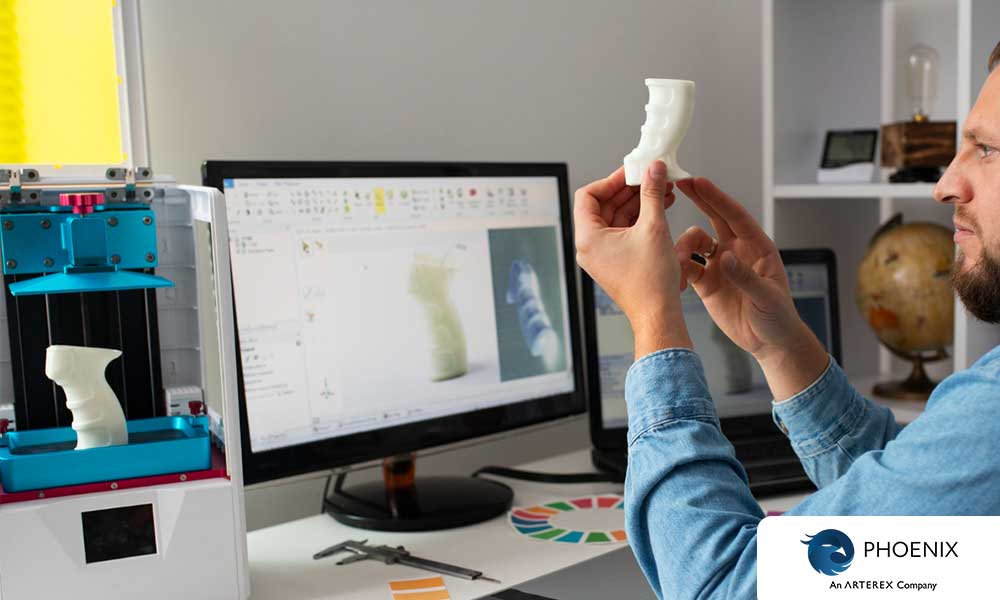
Medical device design is the process of conceptualizing, developing, and refining diagnostic equipment, preventative devices, or instruments used to monitor or treat medical conditions. It sits at the intersection of engineering, clinical knowledge, and human-centered design, shaping the tools that healthcare professionals use every day.
Medical device design focuses specifically on the form, function, and user experience of a device. It answers questions like: What should the device do? Who will use it? How will it physically interact with the human body or the clinical environment?
Key elements that medical device design addresses include:
User needs define the clinical problem the device must solve and set the foundation for every design decision that follows.
Human factors engineering ensures the device is safe and intuitive for the intended users, whether a surgeon, nurse, or patient.
Physical and performance characteristics establish how the device looks, feels, operates, and performs under real-world conditions.
Safety and reliability are built into the design from the start to minimize risk to patients and users.
Labeling, packaging, and sterilization requirements are also considered during design, since they directly affect usability and regulatory compliance.
Good medical device design is not just about aesthetics. It is about creating a device that works exactly as intended, every single time, for everyone who depends on it.
What is Medical Device Development?
The medical device development process is a structured, regulatory-driven framework used to design, engineer, validate, manufacture, and launch safe and effective medical devices. Unlike traditional product design, medical device development must follow strict FDA and international standards, such as ISO 13485, ISO 14971, IEC 62304, and human factors engineering requirements.
If design is about defining what the device should be, development is about making it real. Development takes the design concepts and turns them into a tested, manufacturable, market-ready product through a series of structured phases.
Medical device development covers the full product lifecycle, from initial concept all the way through to commercial launch and post-market surveillance. It includes:
Feasibility and prototyping to prove the concept works under practical conditions.
Engineering and detailed design to translate specifications into working prototypes.
Verification and validation testing to confirm the device performs as required and meets user needs.
Regulatory submissions to gain market clearance or approval from bodies like the FDA or CE marking authorities in Europe.
Manufacturing transfer to ensure the design can be produced consistently at scale.
Medical device product development is a balancing act among design, engineering, and regulatory requirements specific to the healthcare sector. Every decision made during development has downstream consequences for safety, cost, timelines, and compliance.
Why is Medical Device Design and Development Important?
Medical devices directly affect patient safety and clinical outcomes. A poorly designed or inadequately developed device can cause serious harm, device recalls, or regulatory penalties. The stakes are simply too high to treat design and development as anything less than a rigorous, structured process.
Here is why getting it right matters:
Patient safety is the primary driver. Devices that fail to meet safety requirements can injure or kill patients. Every design decision carries a real-world consequence.
Regulatory compliance is non-negotiable. Without compliance, and therefore without regulatory approval, healthcare products simply cannot be introduced into the market.
Market viability depends on a well-executed development process. The medical device sector offers the potential for significant financial gains, with the global market projected to reach $886.80 billion by 2032. However, only devices that clear regulatory hurdles can capture that opportunity.
Risk reduction is built into good development practice. Design control is necessary for manufacturers to reduce risks, ensure compliance, and provide the market with high-quality products by adhering to a defined process.
Avoiding costly recalls is another major reason. A structured design and development process catches problems early, before they become expensive post-market failures.
Global market access requires alignment with international standards. A well-documented development process that follows ISO 13485 and FDA requirements makes it easier to enter multiple markets simultaneously.
In short, rigorous medical device design and development protects patients, protects manufacturers, and ultimately determines whether a device succeeds or fails in the market.
What is the Process for Medical Device Design and Development?
The development process consists of five essential phases that collectively form the basis of the Quality System Regulation (QSR). These phases guide the design, manufacturing, packaging, labeling, storage, installation, and servicing of medical devices intended for human use.
Here is how each phase works:
Phase 1: Concept and Feasibility
This phase begins with identifying a clinical need and assessing whether a device concept is technically and commercially viable. The first phase of medical device development includes initial ideation followed by opportunity and risk analysis that will determine whether to proceed to the next phase. Teams define what the product will do, which markets it targets, and what regulatory classification it is likely to receive.
Early-stage feasibility assessments are essential to uncover any technical or regulatory barriers that might impede development. Demonstrating clear clinical advantages early in this phase can attract investment and partnership opportunities, particularly if the device targets a rapidly growing or underserved area of healthcare.
Phase 2: Design and Development
This phase involves initial design concepts and prototypes, including sketching, computer-aided design (CAD) modeling, and initial testing. Design reviews assess the feasibility and effectiveness of the initial design, with feedback gathered from stakeholders and necessary adjustments made.
Proof-of-concept prototyping creates early bench models to demonstrate functional viability. Engineering feasibility studies determine performance thresholds, materials, sensors, electronics, and software architecture. Initial risk assessment follows ISO 14971 to identify hazards and safety mechanisms.
Phase 3: Verification and Validation
The goal of the verification and validation (V&V) stage is to ensure the medical device is safe, effective, and compliant with all regulatory standards. Verification confirms the design meets initial specifications, while validation proves the final product fulfills its intended uses and user needs.
Phase 4: Regulatory Submission
At this stage, manufacturers prepare and submit regulatory documentation to obtain market clearance or approval. Depending on the device type, classification, and availability of predicate devices, clinical evidence needs can vary, which will impact the selection of study phase and design. In the U.S., this involves FDA 510(k) clearance, PMA approval, or De Novo classification. In Europe, it requires CE marking under the EU MDR.
Phase 5: Manufacturing Transfer and Launch
The final phase moves the verified and validated design into production. Adherence to the QSR ensures that the product meets the necessary standards for market entry. Post-market surveillance then continues to monitor device performance in real-world use after commercial launch.
Design Controls in Medical Device Development
Design controls create a structured, documented process that guides medical device development from initial concept to final product, ensuring all requirements are met systematically. Traceability is central. Design controls link user needs, technical specifications, verification, validation, and changes, providing a clear audit trail that demonstrates compliance and product safety.
Design controls are structured procedures implemented during medical device development to ensure safety, efficacy, and regulatory compliance. They are essential for meeting FDA, ISO 13485, and other global regulatory standards.
The design control process follows a set of practices and procedures that help medical product developers manage quality, ensure each product meets all requirements, and prevent potential issues or recalls in the future.
The key phases of design controls are:
Design and Development Planning
Design and Development Planning establishes who is responsible for what, and maps out the entire development process. Each manufacturer must establish and maintain plans that describe or reference the design and development activities and define responsibility for implementation.
Design Inputs
Design Inputs capture all the requirements the device must meet. Examples of design input include device functions, physical characteristics, performance standards, safety requirements, regulatory requirements, human factors, labeling and packaging, maintenance, sterilization, compatibility, and environmental limits.
Design Outputs
Design Outputs are the documents, drawings, specifications, and procedures that result from the design process and describe the device to be manufactured.
Design Review
Design Review involves formal, documented evaluations at planned stages to assess whether the design is meeting its requirements and to identify any problems before proceeding further.
Design Verification
Design Verification confirms that design outputs meet design inputs through objective evidence.
Design Validation
Design Validation confirms that the finished device meets user needs and intended use under real-world conditions.
Design Transfer
Design Transfer ensures the design can be reliably reproduced in a manufacturing environment.
Design Changes
Design Changes establishes a controlled process for reviewing, approving, and documenting any modifications made to the design after approval.
Design History File (DHF)
Design History File (DHF) is the complete record of all design control activities for a specific device, serving as the primary audit trail for regulatory inspections.
The main advantages of a strong design control system include its ability to facilitate design reviews, ensure the product meets requirements, guarantee safety and effectiveness, and improve time-to-market.
Design Verification vs Design Validation
These two terms are often confused, but they serve distinct purposes in the development process.
Design Verification answers the question: “Did we build the device right?”
According to the FDA, design verification means confirming by examination and provision of objective evidence that specified requirements have been fulfilled. Design verification ensures that your design output matches your design input. In practical terms, verification uses testing, inspection, and analysis to confirm that the device as designed meets every technical specification. For instance, if a suture is intended to contain 70% red dye, verification tests such as fabric color analysis ensure that this specification is met.
Design Validation answers the question: “Did we build the right device?”
The FDA defines design validation as establishing by objective evidence that device specifications conform with user needs and intended use. Design validation is performed to provide evidence that the process consistently produces a result that meets its predetermined specifications. Validation must involve clinical evaluation, meaning the end-user must be involved and the device must be tested either under simulated or actual use conditions.
Here is how the two compare:
Design Verification | Design Validation | |
Question answered | Did we build it right? | Did we build the right thing? |
Focus | Design outputs vs. design inputs | Final device vs. user needs |
Method | Testing, inspection, analysis | Simulated or actual use testing |
Involves end users? | No | Yes |
When performed | During development | On final or representative units |
While the processes may seem similar, they fundamentally differ in focus. Verification is about ensuring technical accuracy, while validation addresses whether the right product was built by examining user satisfaction and clinical performance.
It is entirely possible to have your design outputs meet your design inputs perfectly and end up with a device that does not meet your user’s needs. Both design verification and validation are therefore required without exception.
What Are The Medical Device Regulations for Design and Development?

Regulatory requirements for medical device design and development vary by region, but a small set of key frameworks governs the majority of global markets.
FDA 21 CFR Part 820 / QMSR (United States)
The Quality Management System Regulation (QMSR), which became effective on February 2, 2026, amends the device current good manufacturing practice (CGMP) requirements of 21 CFR Part 820, incorporating by reference ISO 13485:2016. This action harmonizes the FDA’s CGMP regulatory framework with that used by other regulatory authorities around the world.
Manufacturers of Class II, Class III, and certain Class I devices must comply with the Design and Development requirements in Clause 7.3 and its subclauses in ISO 13485.
ISO 13485:2016 (International)
The FDA has determined that the requirements in ISO 13485, when taken in totality, are substantially similar to the requirements of the QS Regulation, providing a similar level of assurance in a firm’s quality management system and its ability to consistently manufacture devices that are safe and effective.
ISO 13485 is the internationally recognized standard for medical device quality management systems and is required in many markets globally, including Canada, Australia, Japan, and the EU.
EU MDR (Regulation (EU) 2017/745) (European Union)
The Medical Device Regulation (EU) 2017/745 (MDR) is required for doing business in the European Union. The EU MDR replaced the older Medical Devices Directive (MDD) and introduced significantly more stringent requirements for clinical evidence, post-market surveillance, and device classification. Under the EU MDR, more devices have been reclassified into higher risk categories, which directly affects launch timelines and the level of evidence required before a device can reach the European market.
Other Regional Frameworks
Canada has Health Canada, and Australia has the Therapeutics Goods Administration (TGA). These regulatory agencies have defined rules and regulations that manufacturers developing and marketing medical devices must follow, including requirements governing how devices are classified and what is required before the products are sold into the marketplace.
The trend toward global harmonization is clear. On January 31, 2024, the FDA announced the most significant revisions to its quality system requirements for medical devices in decades, largely replacing the existing QSR with ISO 13485. This was a significant step in the Agency’s global harmonization efforts.
For manufacturers selling across multiple markets, aligning with ISO 13485:2016 from the start is the most efficient path to simultaneous compliance with FDA, EU MDR, Health Canada, and other global regulatory requirements.
Common Challenges in Medical Device Design and Development
Medical device design and development is one of the most demanding product development disciplines in any industry. Teams face technical, regulatory, and operational hurdles at every stage of the process. Understanding these challenges upfront helps manufacturers plan better and avoid costly mistakes.
Regulatory Complexity and Evolving Requirements
Navigating the regulatory landscape is one of the most significant challenges in medical device development. Requirements differ across regions, device classifications, and intended uses. The FDA, EU MDR, Health Canada, and other regulatory bodies each have distinct expectations for documentation, clinical evidence, and quality management. With the FDA’s Quality Management System Regulation (QMSR) taking effect in February 2026, manufacturers must also adapt to updated compliance frameworks. Keeping pace with these changes while actively developing a device requires dedicated regulatory expertise.
Insufficient Early-Stage Planning
Many device programs encounter serious problems because user needs and design inputs are not defined with enough precision at the outset. Vague requirements lead to scope creep, rework, and delays during verification and validation. Problems that are caught late in development cost significantly more to fix than those identified during concept or early design phases.
Risk Management Gaps
Risk management is not a one-time activity. Applying ISO 14971 effectively means identifying hazards from the very first design decision and continuously updating the risk file throughout development. Many teams treat risk management as a documentation exercise rather than a design driver, which results in safety gaps that surface during testing or, worse, after market launch.
Balancing Speed with Compliance
The pressure to reach the market quickly often conflicts with the time needed to complete thorough verification and validation. Cutting corners on testing to hit a commercial milestone is one of the leading causes of regulatory rejection and post-market recalls. Successful development requires a process that is both rigorous and efficient, not one at the expense of the other.
Prototyping and Design Iteration Delays
Iterating from concept to manufacturable design takes more cycles than most first-time medical device developers expect. Material selection, biocompatibility requirements, sterilization compatibility, and manufacturing tolerances all create constraints that require multiple rounds of design refinement. Without access to rapid prototyping capabilities and in-house testing infrastructure, these iterations can become expensive and slow.
Manufacturing Transfer Failures
A device that performs well as a prototype does not automatically translate into a device that can be manufactured consistently at scale. Poor design-for-manufacturability decisions made early in development often result in expensive tooling changes, process validation failures, and quality issues after production launch.
Documentation and Traceability Burdens
Maintaining a complete, traceable Design History File (DHF) is a regulatory requirement, but it is also a significant operational discipline. Gaps in documentation, broken traceability between user needs and design outputs, and uncontrolled design changes are among the most common findings during FDA inspections and notified body audits.
Best Practices for Successful Medical Device Design and Development
Getting medical device development right requires more than technical skill. It requires a disciplined approach that integrates regulatory strategy, risk management, and quality thinking from the very first day of the project.
Define User Needs Before Starting Any Design Work
Every design decision should trace back to a clearly documented user need. Before sketching concepts or selecting materials, invest the time to interview clinicians, patients, and other intended users. Translate what you learn into specific, testable requirements that will form the foundation of your design inputs. A device built on well-defined user needs is far less likely to fail validation.
Integrate Regulatory Strategy from Day One
Do not treat regulatory submission as something that happens after development is complete. Know your device classification, intended submission pathway, and target markets before beginning detailed design. Engage with your regulatory team at every stage so that the design is always moving toward approvability, not away from it.
Adopt a Risk-Based Approach Throughout
Apply ISO 14971 from the concept phase, not just at the end of development. Identify potential hazards early, build risk mitigation directly into the design architecture, and update your risk management file with every design change. Risk management that is embedded in the development process produces safer devices and smoother regulatory reviews.
Use Design Controls as a Development Framework, Not Just a Compliance Requirement
Design controls exist to produce better devices, not just to satisfy regulators. Use the structured phases of design planning, design input, design output, design review, verification, and validation as genuine quality checkpoints that keep the project on track. Well-maintained design controls also make regulatory submissions significantly faster and easier to prepare.
Prototype Early and Iterate Often
Build functional prototypes as early as possible and test them against your design inputs at every iteration. Early prototyping exposes design weaknesses before they become embedded in the product architecture. Each iteration should generate objective data, not just subjective impressions, and that data should drive the next design decision.
Design for Manufacturability from the Start
Collaborate with your manufacturing team during design development, not after design freeze. Consider production tolerances, material availability, assembly complexity, and sterilization requirements while the design is still flexible. Devices that are designed with production in mind reach manufacturing transfer faster and with fewer quality issues.
Maintain Rigorous, Real-Time Documentation
Document design decisions, test results, design changes, and review outcomes as they happen. Waiting until the end of a project phase to reconstruct documentation introduces errors, creates traceability gaps, and increases audit risk. A complete, real-time Design History File is one of the most valuable assets a development program can produce.
Test Under Real-World Conditions
Validation testing must reflect actual or simulated use conditions. Test the device with representative end users, in realistic environments, with production-equivalent units. Bench testing alone is not sufficient to demonstrate that a device is safe and effective in the hands of the people who will actually use it.
Why Choose Phoenix Biomed for Medical Device Design and Development?
Phoenix Biomed is a medical device design, development, manufacturing, and packaging company with over 20 years of experience bringing devices from concept to commercial launch. As an Arterex Medical Company, it combines dedicated medical device specialization with the resources of a global manufacturing organization.
End-to-End Capabilities Under One Roof
Phoenix Biomed covers the full development lifecycle under one roof, from feasibility and industrial design through biocompatibility testing, regulatory submissions, and manufacturing transfer. Single-vendor continuity means faster timelines, lower costs, and a design that stays intact from concept through production.
Regulatory Expertise Across Global Markets
The regulatory team handles FDA 510(k), De Novo, and PMA pathways, CE Mark under EU MDR, and Health Canada submissions. Regulatory strategy is built into the project from day one, so submission requirements never become late-stage obstacles.
ISO 13485:2016 Certified with ISO 8 Clean-Room Facilities
Phoenix Biomed operates under ISO 13485:2016 certification and EU MDR compliance, with four ISO 8 clean-room facilities supporting assembly, packaging, and testing across every stage of development.
Risk-Based Methodology Built into Every Project
ISO 14971 risk management starts at project inception. Hazard identification and mitigation are embedded in design decisions, producing safer devices with fewer surprises during regulatory review.
Experience Across Class I, II, and III Non-Active Devices
The portfolio spans cardiovascular, orthopedic, diagnostic, surgical, and therapeutic categories. That depth of precedent translates into practical insight on every new project, regardless of complexity.
A True Development Partner
Phoenix Biomed engages as a long-term partner from discovery through post-market support, with a shared focus on your clinical objectives, business goals, and the patients who depend on the device.
- What is Medical Device Design?
- What is Medical Device Development?
- Why is Medical Device Design and Development Important?
- What is the Process for Medical Device Design and Development?
- Design Controls in Medical Device Development
- Design Verification vs Design Validation
- What Are The Medical Device Regulations for Design and Development?
- Common Challenges in Medical Device Design and Development
- Best Practices for Successful Medical Device Design and Development
- Why Choose Phoenix Biomed for Medical Device Design and Development?